Growing Demand for Parboiled Non-Basmati Rice in the Philippines
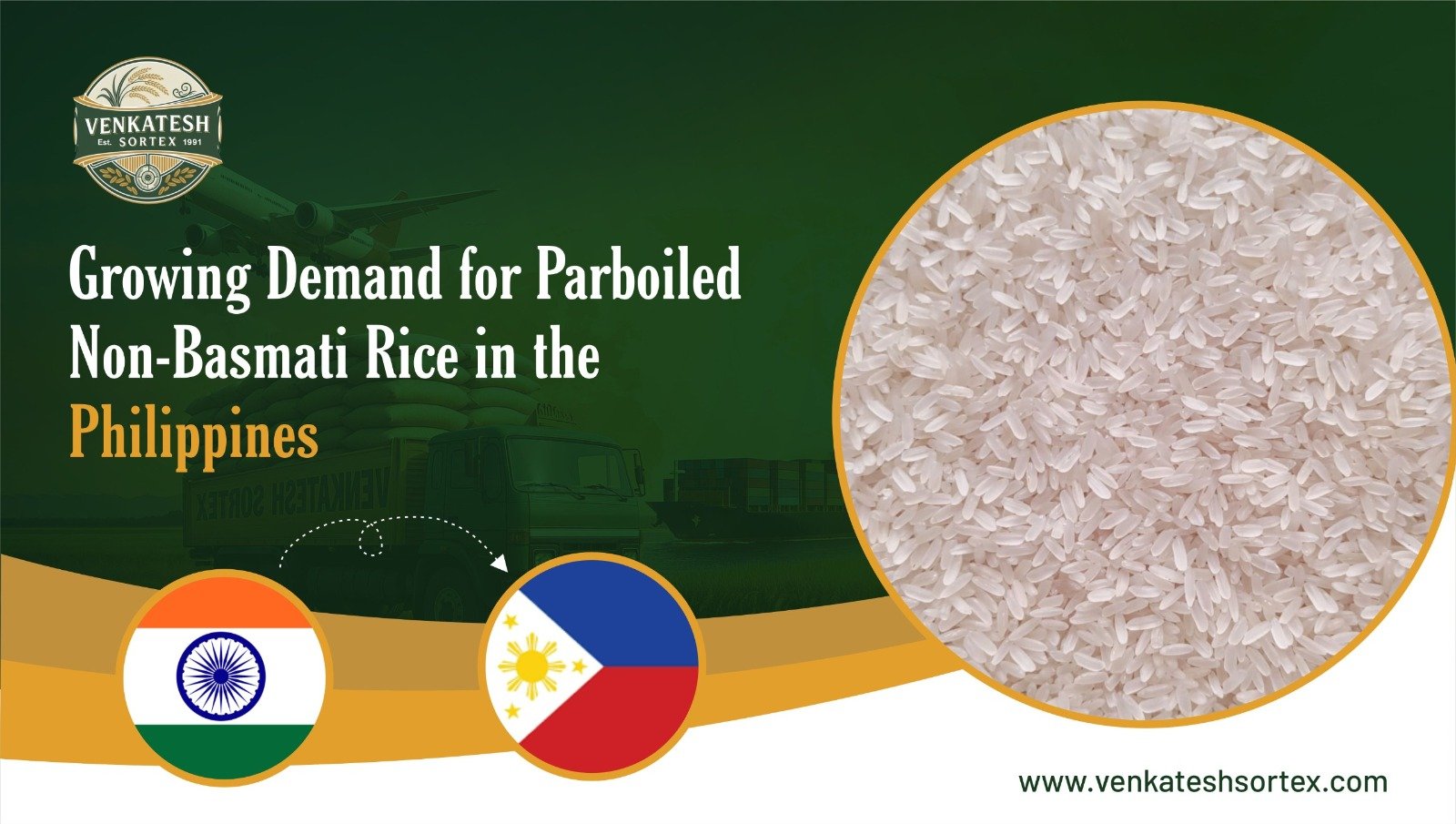
It has gradually increased the use of rice in particular Non-basmati rice by the consumers in the Philippines for a couple of years now. Being one world’s biggest rice consumers, the Philippines relies on the production from within the country and also from imports to be able to feed the ever increasing population. Out of the rice varieties available in the market, parboiled non-basmati rice in the Philippines remains as one of the highly popular varieties, mostly because, Apart from its affordability and high nutritional value, it is also versatile as a food ingredient.
This trend of rising demand gives importers, wholesalers, and distributors a great opportunity to supply their business partner, i.e. Filipino customers, with premium rice that meets high-quality standards and also fulfills consumers’ expectations.
Why Parboiled Non-Basmati Rice is Becoming Popular
Parboiled rice follows a particular method of processing. Here, first paddy is soaked, steamed and dried and then it is milled. This whole process helps the rice to retain more nutrients present in the outer layers of the grain and also makes the rice tough and more resistant to breakage during transportation and cooking.
That means, parboiled rice has these benefits:
- More nutritious than regular milled rice
- The rice is firm in texture after the cooking
- Fewer sticky and more separated grains
- Longer storage period
- Minimum chances of the grains being broken when you handle
- Royal performance in cooking
Due to such properties it is the perfect choice for households restaurants catering facilities, and other institutional buyers.
Rising Demand for Non-Basmati Rice in the Philippines
The market for Non-Basmati Rice in the Philippines continues to grow since consumers now look not only for low price but also quality, dependability of supply together with these factors. Although high-end aromatic rice varieties are still bought by special consumers non-basmati rice fulfills needs of thousands of Philippine families who consume rice on daily basis.
This are some reasons fueling this demand:
Growing Population
With the Philippines’ population expanding so fast, people need staple food like rice even more. So, Importers are in constant search for trustworthy overseas suppliers so that they can have stable warehouses.
Affordable Pricing
Value for money is something important when Non-basmati rice is involved. Compared to expensive aromatic rice it is more affordable so even persons belonging to different economic backgrounds can go for it without worry.
Expanding Food Service industry
Rice that brings reliable quality and cooking characteristics is the need of the hour for food service businesses viz restauarants hotels cafeterias, food processors caterers etc. Parboiled non-basmati rice that fulfills the requirement of such businesses is also known to help them handle their food budgets without strain.
Government Imports for Food Security
The country relies on regularly importing rice from top exporting countries to safeguard against scarcity and maintain stable rice prices at home. Through this, there are steady demands for reputable Non-Basmati Rice exporters who want to establish a footprint in the Philippines market.
Benefits for Importers and Distributors
If it comes to importing parboiled non-basmati rice, business people stand to gain a lot in commercial aspects.
First of all, the better performance of these rices during storage gives importers and distributors the edge when shipping over a long haul and storing in warehouses.
Reduction in Waste
As a rule, parboiled rice has firmer grains, so the risk of breakage during transportation is A lot lower. Because of this, such rice is more profitable and brings fewer losses.
Satisfying Customers Consistently
Customers are more than happy with rice, which after boiling doesn’t stick together but looks like rice pudding while keeping the same taste even when reheated. Such quality is not likely to be the last order but would build repeat customers and loyalty from them.
Uses in Different Sectors
Parboiled non-basmati rice is a product with commercial and retail value for various outlets like:
- Personal use at home
- Supermarkets and retail outlets
- Hotels and restaurants
- Catering services
- Rice production companies
- Kitchens in institutions
- Government meal programs
- Sellers in bulk
Given its adaptability, this parboiled rice has become one of the primary rice types traded across major international markets.
How to Pick the right Rice Exporter?
More Filipino consumers are requesting the non-Basmati rice, so a good rice export supplier is very important. Buyers are supposed to choose those suppliers with a good quality control and delivery performance.
Main points that you need to take care of are:
- Uniformity in quality of the rice grains
- Processing plants equipped with up-to-date technology
- Packing done in a clean way
- Knowledge of export in different areas around the globe
- Reasonable price
- Shipping time is fixed with accuracy
- Different packaging styles based on your demand
- Very friendly and responsive sales people
Partnering with a seasoned Exporter would allow companies to not only maintain their supply chain without disruption but also develop strong relations that can last for years.
India: A Trusted Source of Quality Rice
Indian non-basmati rice is still among the top global export products, providing an extended range of high-quality rice varieties best suited for export purposes. Indian rice mills and the processing industry are famous for their technical innovation, stringent internal quality assurance systems, and timely delivery of large quantities of grain.
Lots of Philippine non-basmati rice importers look to India as the source because it satisfies the triple combination of a constant level of product, reasonable prices, and a good export set-up. Thanks to effective transport facilities and meeting global requirements, the market share of Indian rice exports in the Philippines will likely grow further.
Conclusion
With the rising popularity of Non-Basmati Rice, the consumer profile in the Philippines is changing in favor of economical, healthy, and excellent quality staple foods. Parboiling non-basmati rice helps with good cooking behavior, enhanced nutritional value retention, less grain breakage and longer shelf life. It would be a great option for households and businesses alike.
Importers, wholesalers, and distributors benefit not only from regular availability of good-quality product at fair prices but also from working with a reputable exporter. We are convinced that parboiled non-basmati rice will continue to be widely appreciated in Filipino rice sector, offering new markets for quality suppliers across the world.