From Farms to Markets: Rice Suppliers in Niger Explained
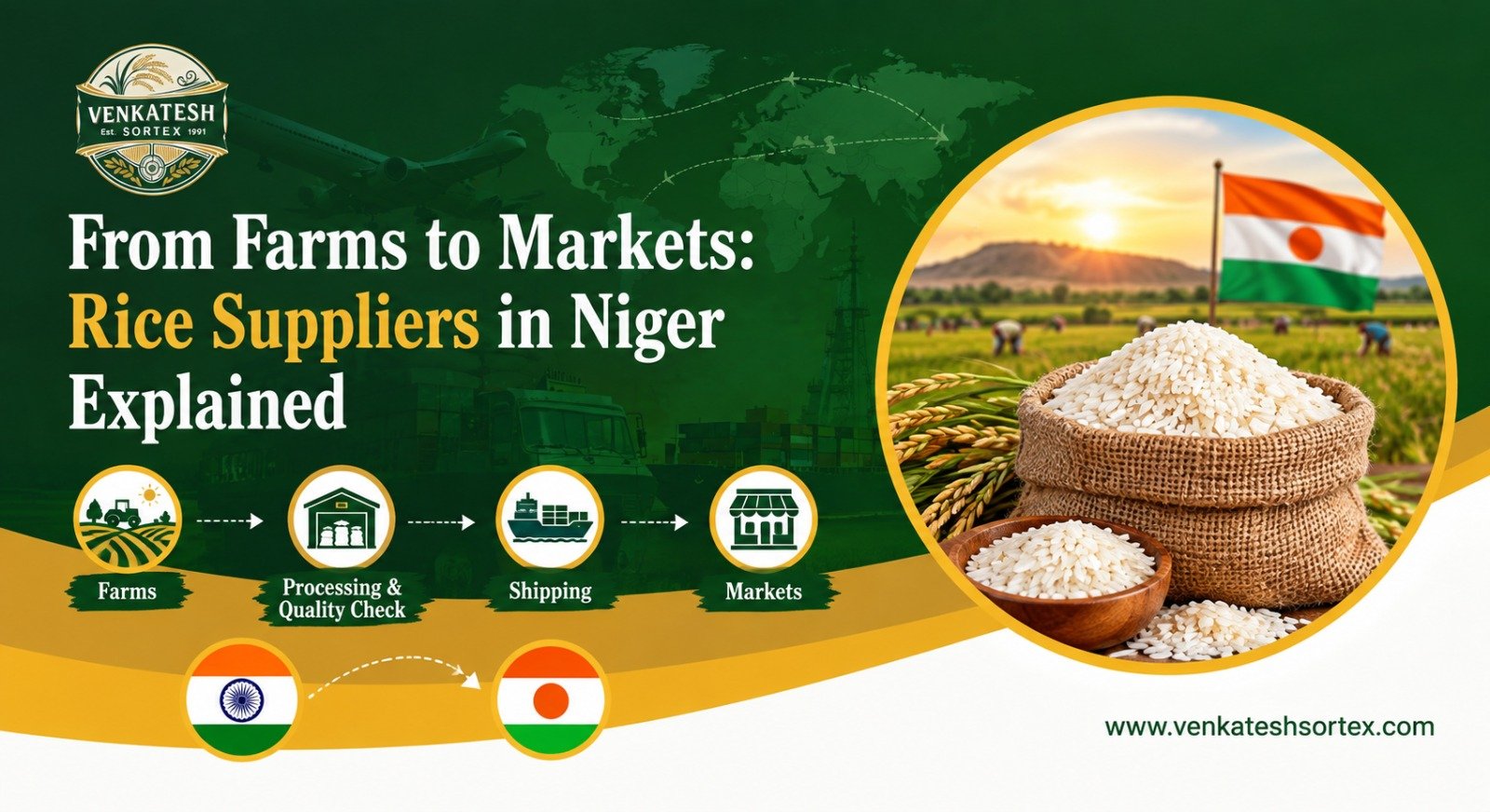
Rice ranks high among the food commodities in many countries of the world, including Niger, and is an integral part of household consumption and food security. Rising rice demand in the urban centres, local markets and food processing industries makes it more critical than ever to understand the rice commodity, from import markets and production areas to final consumers. rice supplier in niger work as middlemen linking importers wholesalers distributors, and end consumers.
Suppliers matter a lot in ensuring that the supply of rice is kept on the shelves, from sourcing rice to transportation and distribution. Familiarize yourself with how rice supply chain works so you can make the right purchasing decisions as a retailer, wholesaler, and business.
The Market for Rice in Niger What You Need to Know
The West African nation of Niger, mainly composed of landlocked terrains, prefers rice beyond millet, sorghum, and maize. With new food trends, mainly in cities where the population is increasing, rice continues to be vital.
Even though some rice is cultivated in Niger, the quantity produced locally may not be enough to meet the demand throughout the country. That means, rice imported into the country continues to be significant to the market. Rice may be delivered to Niger through regional trade or global supply chains.
Rice distributors work to fill the supply and demand gap for rice in Niger. They work with various customers like supermarkets, grocery shops distributors food suppliers, and customers from the institutional sector.
How Rice Moves from Farms to Markets
The rice supply chain involves several stages, starting from agricultural production and ending with final distribution.
- Rice Production and Sourcing
The first step involves sourcing rice from the farmers, the rice mills, the exporters as well as trading companies of rice internationally. The local market may have sellers that deal with local farmers, as well as firms that specialize in imports sourcing from known rice exporting states.
Grain grade variety moister and consistency are considerations when sourcing product. Suppliers must find those products that best meet their consumers’ needs in their local markets and the needs of their business customers.
- Processing and Quality Inspection
Processing after harvest, rice is processed to remove the husk and the unwanted material and to prepare it for human consumption. According to the type of product, the rice may be polished, graded, and sorted.
The Importance of Quality Inspection Consumers have high expectations that rice is of a uniform grain size, cleanliness, and pack quality. Trusted suppliers take the time and care to adhere to the product specifications and food safety standards before releasing the rice to the market.
- Importation and Transportation
Due to lack of a coastline, the rice that is shipped internationally usually transits by way of an adjacent port before the rice can be taken inland.
Importers and distributors may require forwarding, customs clearance, border procedures, warehousing, and inland transportation. Delivery time and costs are contingent on the country of origin, mode of dispatch, fuel prices and border crossing conditions.
Effective logistics management enables suppliers to cut down on needless delays and establish a steady supply of rice to wholesalers and retailers.
- Wholesale Distribution and Retail Supply
Once rice arrives at these distribution centres or warehouses, suppliers then sell it to wholesalers, retailers, supermarkets, restaurants, and other commercial markets.
Buy in bulk the offer of larger volumes allows wholesalers to buy in larger quantities. Small and medium-sized distributors can buy according to their daily or weekly needs. Packaging may be individual consumer sachets or larger sacks for commercial clients.
A solid distribution network will assist in the effective coverage of the various markets and segments of the customer base.
Types of Rice Suppliers in Niger
If you are interested in buying rice, you might consider what comes next suppliers:
Regional rice industry: Rice firms that grow and process rice in Niger.
Importers: firms that import rice from overseas markets.
Wholesale distributors: those who wholesale rice to retailers and businesses.
Retail suppliers: Businesses that sell packaged rice directly to households and smaller customers.
International exporters: firms that supply rice to importers and distributors operating in Niger.
These different categories serve different needs. Customers need to consider what suppliers are capable of providing as to source types, quality of products, order sizes, and delivery methods.
How to Choose Reliable Rice Suppliers in Niger
Working with the right supplier is important for providing the quality of product needed while keeping the bottom line in mind. Before ordering, think through these considerations.
- Product quality:Observe the type of rice, quality of grains, cleanliness, and evenness.
- Pricing and terms of payment:including price quotations, minimum orders, transportation costs, and payment terms.
- Supply capacity:Check the supplier is able to supply your needs with sufficient quantities.
- Documentation and compliance:Check business credentials, import documentation and food safety standards.
- Shipping reliability:Talk about shipping schedule, what your packaging looks like, how you store products, and how you handle broken shipments.
- The Seller’s reputation:always request samples, references, and transaction statements before purchasing significant quantities.
Challenges and Opportunities in the Rice Supply Chain.
Price fluctuations, transportation costs, currency exchange rates, seasonal consumption and border crossings may pose problems for suppliers. Limited storage can negatively influence the quality of the product and cause company losses.
But these challenges open up opportunities for suppliers who can offer a more robust inventory, open transparent pricing, trusted logistics partners, and longer-term relationships with customers. Developing modern storage and assuring consistent quality can allow companies to consolidate their market position.
Conclusion:
All steps of the process, from agricultural production and international sourcing through to transportation and retail distribution, play a role in making rice available in Niger. Niger rice suppliers link producers to businesses and consumers to satisfy the country’s rice demands.
How to Select a rice supplier all retailers, food businesses and wholesalers need to carefully weigh up quality price paperwork, the ability to supply and delivery to make the right decision about a rice supplier. Finding out about the rice supply chain and securing good relationships can help them buy better and more sustainably into the local market.