From Farms to Ports: Lachkari Wada Kolam Rice Exporters in West Bengal
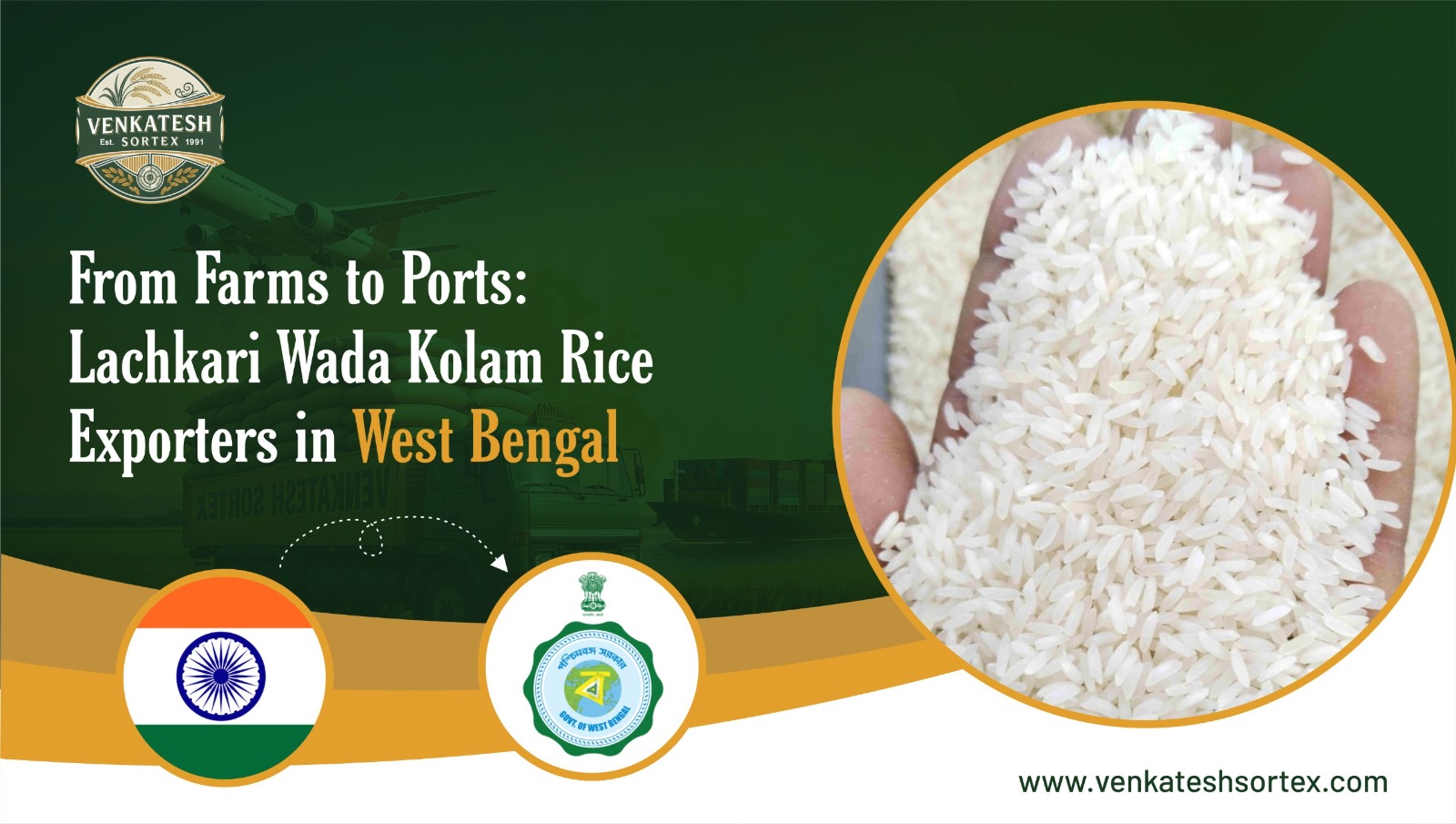
India has been known to be one of the biggest producers and exporters of rice globally. Out of the various varieties farmed in the country, Lachkari Wada Kolam rice is a great example with its superior grain, pleasing fragrance and great cooking quality. The path of this best quality rice–from rich fields to overseas ports–is an interesting story that shows the proficiency and capability of Lachkari Wada Kolam rice exporters in West Bengal.
Located in the eastern region of India, West Bengal is one of the main contributors in the rice export business being a place of great agricultural traditions and providing easy access to a number of major ports. Let us find out the path of this quality rice from its origin in the farms to its presence in the global markets.
What is Lachkari Wada Kolam Rice?
This rice is a medium-grain type, characterized by its softness and a little stickiness after cooking. Because of its flexibility and nice flavor, it is very popular among kitchens, restaurants, and catering services.
The increasing needs for this rice issue in internal and outside countries markets have motivated exporters of West Bengal to invest in efficient supply, manufacturing, and distribution methods.
Step 1: Cultivation in Fertile Fields
This story starts in the fertile ones where experienced farmers grow Lachkari Wada Kolam rice by means of the traditional and modern farming ways.
Nature seems to be cooperating with meeting the essential needs of the grain – great weather, ample water and highly nutritious soil are some of them.
Farmers single out good seeds, keep the fields properly watered, and use eco-friendly methods of farming.
By doing so, they make sure that the rice they grow will be of a high enough quality to be exported.
Step 2: Harvest and Primary Processing
When the crop is ripe, it is harvested with care and directed towards initial processing. At this point, the operations mainly entail cleaning, drying, and eliminating the impurities.
Exporters in West Bengal co-operate with the farmers and local mills to make sure that the rice is dealt with in a hygienic manner and its natural quality is preserved.
Step 3: Milling and Quality Control
The rice milling process is a very important step towards rice export. Here the outer husk is taken off and at the same time the rice is polished to give the right texture and look.
Some of the quality controls are:
- Sorting the rice according to size and quality
- Checking the number of broken grains
- Making sure the moisture levels are up to the standards.
Very thorough quality tests always go along with the quality control that is why they make a difference. In fact, they help keep the quality constant and allow the rice to meet up with the global standards.
Step 4: Packaging and Storage
Packaging plays a key role in maintaining the freshness and top quality of Lachkari Wada Kolam rice. Exporters select superior packaging materials that not only keep the rice safe from moisture, pests and contamination but also lengthen its shelf life.
Storage units in West Bengal have been furnished with modern equipments along with the latest technologies to ensure the rice is kept in the best possible condition before it is shipped.
Step 5: Transportation to Ports
Proximity to prominent ports such as Kolkata Port is one of the main benefits of exporting from West Bengal. Rapid, dependable delivery of rice to ports is very well guaranteed by well-developed transport networks.
Having a logistics system in place is of great importance in ensuring that shipments are made on time and that delays are minimized.
Step 6: Export and Global Distribution
The rice at the port is subject to final inspections and preparing paperwork before it is sent out to overseas markets. The exporters take care of all formalities, including customs clearance and ensuring that the exports meet the legal requirements.
Lachkari Wada Kolam rice from West Bengal is regularly shipped abroad and is highly appreciated by consumers in the importing countries for its quality and taste.
Role of Exporters in West Bengal
Exporters of Lachkari Wada Kolam rice in West Bengal serve as a link between farmers and worldwide customers. They are responsible for:
- Getting top quality rice from reliable farmers
- Making sure the rice gets processed and packed properly
- Handling the transportation and supply chain operations
- Following the international trade regulations
Their skills guarantee that the rice is delivered to the consumer in the best possible state.
Benefits of Choosing Exporters from West Bengal Strategic Location
Being near big ports can help lower transport costs and shorten shipping times.
Strong Agricultural Base
The state’s long history of agriculture makes high-quality rice constantly available.
Advanced Infrastructure
Cutting-edge mills, warehouses, and transportation systems enable smooth export activities.
Global Market Reach
Exporters enjoy strong ties with buyers from all over the world, guaranteeing steady orders.
Conclusion:
The path of Lachkari Wada Kolam rice from the fields to the sea portsillustrates the hardships of farmers, processors and exporters in helping deliver this rice to the world market. Exporters of Lachkari Wada Kolam rice in West Bengal are instrumental in making sure that this top class rice with its quality is exported to global markets.
Thanks to its well-positioned location, rich agricultural tradition and efficient export mechanisms, West Bengal remains one of the main rice exporters of India. As the global demand for quality rice increases, the significance of these exporters will also rise.
Starting from the growing of the plants on the fertile land, the whole journey up to the sending of the products to the other side of the world depicts the highest standards of work at every step the taste of India is brought to everyone in the world.